Introduction: The Legend of Ferguson and the Current Dilemma
Sir Alex Ferguson remains a towering figure in the history of Manchester United, having transformed the club into one of the most successful football teams in the world. Under his stewardship from 1986 to 2013, Ferguson not only secured an impressive 13 Premier League titles and 2 UEFA Champions League trophies, but also cultivated an ethos of winning that shaped the club’s identity. His managerial style, characterized by a unique blend of tactical intelligence, motivational prowess, and an unwavering commitment to excellence, set an incredibly high bar for success.
The departure of Ferguson left a significant void at Manchester United, one that has proven challenging for subsequent managers to fill. The club’s trajectory since his retirement has been marked by a series of managerial changes, with each new appointment coming with renewed hope for a return to glory. However, the reality has often been disappointing, as many managers have struggled to adapt to the high expectations and pressures associated with such a prestigious institution. This ongoing dilemma raises critical questions about the club’s approach to leadership and its ability to navigate the complex landscape of modern football.
The frequent dismissals, most recently highlighted by the turbulent tenure of several coaches, have sparked discussions among fans and analysts alike about the underlying issues at play. At the heart of these discussions is the stark contrast between the success enjoyed during Ferguson’s era and the mediocrity witnessed in recent seasons. The club’s current plight serves as a stark reminder of the challenges involved in finding a manager who can not only deliver results but also embody the values and traditions that made Manchester United great.
The ‘Impossible Dream’ Banner: A Symbol of Hope
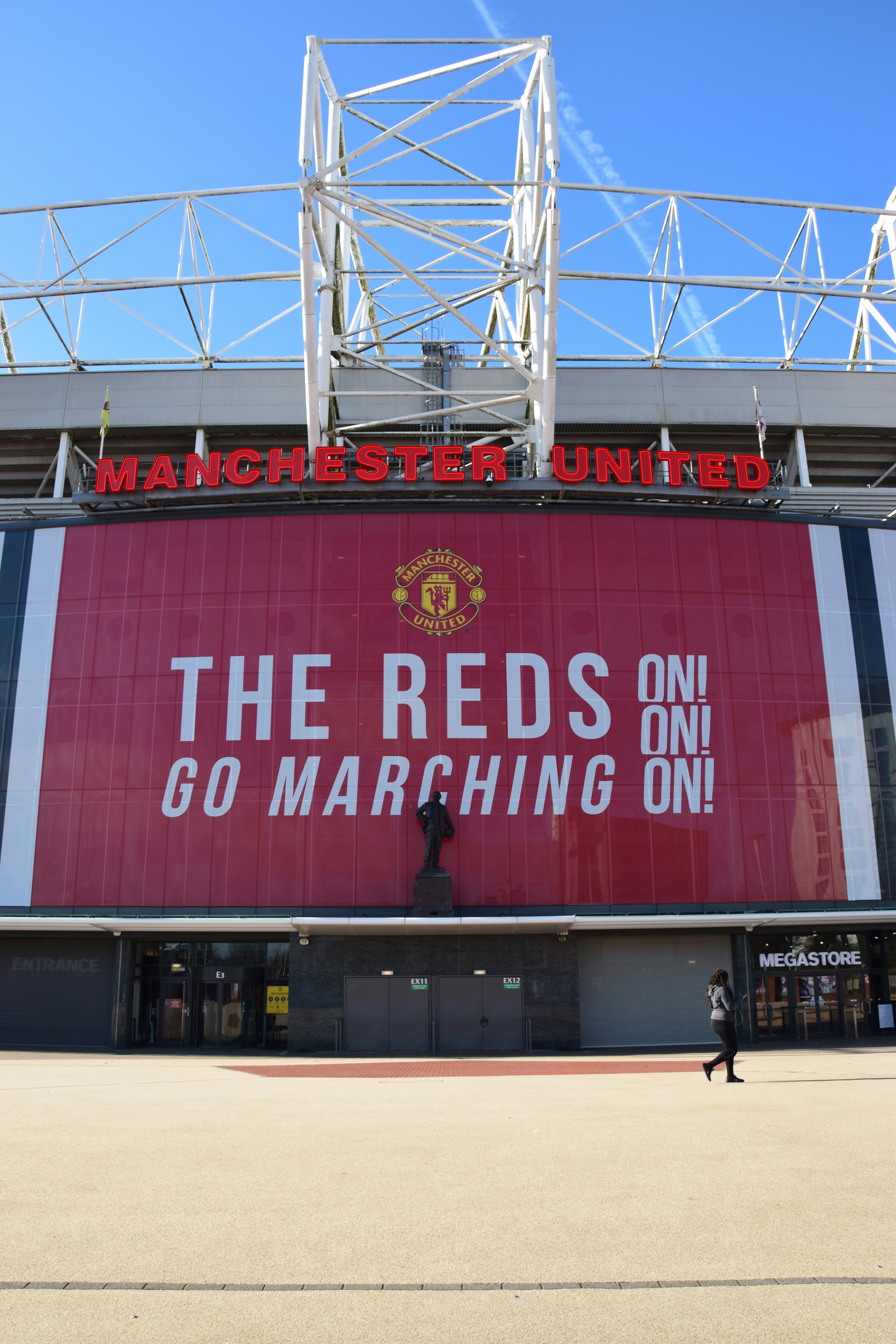
The ‘Impossible Dream’ banner, a striking fixture at Old Trafford, has long been a symbol of hope and aspiration for Manchester United fans. First unveiled in the 1990s, this banner encapsulates the collective dreams and expectations of a passionate supporter base that has experienced the dizzying heights of success and the more recent struggles faced by the club.
The message conveyed by the banner, which echoes a sentiment familiar to sports enthusiasts, suggests that while victory may often feel elusive, the dream itself fuels the determination to strive for greatness. It serves as a reminder of the storied history of Manchester United, a club with a legacy of resilience and triumph, famously marked by Sir Alex Ferguson’s illustrious tenure. During this remarkable era, the club consistently achieved the top honors in English and European football, fostering an unshakeable belief among fans that their aspirations were, indeed, possible.
However, since Ferguson’s retirement, the club has faced numerous challenges, resulting in fluctuations in performance that have tested the loyalty of even the most devoted fans. The changing of coaches, seen with the recent dismissal of managers, only adds to the uncertainty surrounding the club’s direction. Despite these tribulations, the ‘Impossible Dream’ banner continues to inspire, acting as a beacon of hope for the fanbase. It symbolizes the enduring spirit of Manchester United, reminding all that the pursuit of excellence should remain unwavering, regardless of setbacks.
As Manchester United navigates through these tumultuous times, the banner stands tall, offering solace in the belief that a return to the club’s former glories is achievable. It encapsulates the essence of the team—striving for success against the odds—echoing the sentiments that define not just the club but its supporters and their dreams.
A Hall of Managers: The List of Failures
Since Sir Alex Ferguson’s retirement in 2013, Manchester United has witnessed a slew of managerial changes, each reflecting the club’s struggles to reclaim its former glory. Starting with David Moyes, appointed in 2013, the club’s decision seemed promising given his background in nurturing talent. However, just ten months into his tenure, he was dismissed following an underwhelming league performance that placed United in seventh position.
Next came Louis van Gaal, who led the team from 2014 to 2016. While he did secure an FA Cup victory, his style of play was criticized for being uninspiring and rigid, ultimately leading to his exit as the club failed to qualify for the Champions League.
José Mourinho succeeded Van Gaal and enjoyed early success, winning the EFL Cup and the UEFA Europa League. Nonetheless, Mourinho’s time at the helm became marked by controversies and internal strife, resulting in his dismissal in late 2018, as he struggled to unite the squad and communicate a coherent philosophy.
Following Mourinho, Ole Gunnar Solskjær was appointed as caretaker manager, subsequently taking on the permanent role in 2019. His early results sparked hope among fans, but inconsistency plagued his management, culminating in his sacking in 2021 after a series of poor performances.
Ralf Rangnick then assumed the managerial position temporarily, but he was unable to provide the necessary turnaround the team required. The club once again faced disappointment as they decided to part ways yet again, illustrating a persistent cycle of instability.
The departure of these managers has brought about deeper questions regarding the club’s operational structure and the support provided to coaching staff. Each new appointment appears to serve as a temporary fix rather than a long-term solution, hinting at systemic issues that continue to undermine Manchester United’s ambitious footballing pursuits.
The Characteristics of a Successful Manager at Manchester United
To navigate the tumultuous waters of managing Manchester United, individuals must possess a distinctive skill set and qualities tailored to the club’s storied history and intense expectations. First and foremost, a successful manager should exhibit profound tactical acumen, enabling them to implement strategies that not only align with the club’s traditions but also adapt to the changing dynamics of modern football. The ability to read the game, make informed substitutions, and adapt formations are crucial in maintaining the competitive edge that the club aspires to.
Equally important is the capacity for effective man-management. A manager must skillfully handle a talented but diverse squad, balancing the egos of high-profile players while fostering a cohesive team spirit. Building strong relationships both within and outside the locker room can significantly impact a team’s harmony and performance on the pitch. These interpersonal skills are vital in a setting where pressure is not just a factor but a constant presence.
Moreover, managers need to possess an unwavering mental resilience. Given the high stakes associated with the role at Manchester United, dealing with the media, fan expectations, and the relentless pursuit of trophies can lead to immense stress. Previous managers have often faltered under such pressure, highlighting the need for an individual who can remain steadfast and composed during crises.
A successful manager must also have a clear vision that aligns with the club’s long-term objectives. Recent managerial appointments, such as those discussed in the CNN report, underscore the need for a strategic approach to rebuilding the squad. This encompasses scouting for young talent and integrating them effectively into the first team. Overall, the ability to encapsulate these traits is essential for anyone looking to thrive at Manchester United, where the blend of history and high expectations creates a uniquely challenging environment.
Darren Fletcher: The New Interim Manager
Darren Fletcher’s recent appointment as interim manager of Manchester United marks a significant shift in the club’s management strategy. Having spent most of his playing career at United under the esteemed Sir Alex Ferguson, Fletcher brings a wealth of experience and insider knowledge that could be invaluable in navigating the current turmoil within the club. Known for his tenacity and tactical awareness, his familiarity with the club’s culture is likely to influence his approach to coaching positively.
Fletcher was known during his playing days for his work ethic, leadership qualities, and the ability to perform under pressure. These attributes are essential as he steps into a role that demands immediate results, especially given the recent struggles experienced by his predecessors. Previous managers have faced challenges in aligning team performance with the high expectations of the Manchester United fanbase, and Fletcher’s understanding of these pressures might inform his strategy as he rallies the team.
Furthermore, Fletcher’s tenure at the club coincided with one of its most successful periods, providing him with a unique perspective on what it takes to achieve excellence. He is likely to incorporate lessons learned from both his career and the shortcomings faced by previous coaches. By fostering a competitive spirit while also emphasizing unity and resilience, there is potential for Fletcher to ignite a revival of Manchester United’s fortunes on the pitch.
As he embarks on this interim journey, observers will be eager to see how his approach differs from those before him. The tactical adaptability he showcases could very well determine not only his future in management but also the direction of Manchester United as they strive to regain their status among the elite in soccer.
The Current Squad: Strengths and Weaknesses
The Manchester United squad, while teeming with talent, showcases a blend of strengths and weaknesses that the new interim manager must keenly address. Key strengths lie in the plethora of skilled attacking players. With the likes of Marcus Rashford and Bruno Fernandes, the team possesses the ability to score from nearly any position on the pitch. Their creativity and pace often put formidable pressure on opposing defenses. Furthermore, United’s youth talents, including Alejandro Garnacho, inject energy and enthusiasm, vital for revitalizing performances.
However, alongside these strengths, significant weaknesses persist. The defensive unit has been under scrutiny, often characterized by lapses in concentration and an inability to maintain structure during high-pressure moments. This inconsistency translates into vulnerabilities that opponents have exploited in crucial matches, leading to disappointing results. Additionally, the midfield has struggled with cohesion and sustaining possession, which hampers the transition between defense and attack, a critical factor for any top club’s success.
Player morale is another aspect that requires urgent attention. Recent managerial changes have led to uncertainty within the dressing room, as players are left questioning their roles and the club’s direction. The impact of managerial instability cannot be understated; it breeds anxiety and inconsistencies in performances. A clear strategy and unified vision from the interim manager can help restore confidence and cohesion among players. Strengthening communication and aligning tactical objectives will be fundamental in bouncing back from the current mediocrity.
Ultimately, the new interim manager must assess both the strengths and weaknesses thoughtfully, crafting a strategy that not only leverages the existing talent but also fortifies areas of vulnerability. By addressing these facets, Manchester United has the potential to transition from a phase of stagnation towards one of growth and revitalization.
Fan Expectations and Reactions
The recent managerial upheavals at Manchester United have left fans feeling increasingly frustrated and disillusioned. With the club’s storied history, supporters expect high performance and consistent results, yet their hopes have frequently been dashed in recent seasons. Following the dismissal of yet another head coach, social media has erupted with a plethora of opinions reflecting discontent and disappointment among the fan base. Many have voiced that they have grown weary of the revolving door of managers, which has seemingly become the norm at the club.
Food for thought is provided by the volume of comments that reveal fans’ general unease about the club’s direction. Frequent discussions in fan forums center around the need for stability and a cohesive long-term strategy. This situation has amplified calls for club ownership to relinquish some control to those with football knowledge, thereby allowing for a more sustainable approach to management. The recurring theme in these conversations suggests that supporters are not only seeking success but also a commitment to developing a distinctive playing philosophy.
Furthermore, hopes remain high for the future of Manchester United, as fans rally behind potential managerial candidates highlighted in various reports. One name that has surfaced brings attention to the abilities of Ruben Amorim, suggesting that he could bring a breath of fresh air to the club. Conversations consistently reflect an unwillingness to settle for mediocrity, as the demand for a return to former glories remains a central theme among the fan base.
In conclusion, Manchester United supporters are not just spectators but active participants in the ongoing dialogue about the club’s future. They express a clear desire for a restoration of dignity and pride in their team’s performances and hope for a managerial figure who will understand and champion the rich legacy of Manchester United.
Comparisons with Other Clubs
The managerial situation at Manchester United is a point of concern, especially when examined alongside other elite football clubs. For instance, clubs like Liverpool and Manchester City have faced their own sets of challenges but have navigated them with notable success. Both clubs have demonstrated a consistent approach to leadership, particularly in how they select and support their managerial staff, allowing for stability and growth over time. Liverpool’s successful appointment of Jürgen Klopp is a prime example; they provided not only the resources necessary but also the time required to build a competitive squad, which ultimately culminated in significant silverware including the Premier League title and the UEFA Champions League.
Similarly, Manchester City leveraged their investment in management when they appointed Pep Guardiola. The way in which City have maintained managerial continuity, coupled with strategic signings aligned with the coach’s philosophy, has fostered a winning culture. These clubs have showcased that a clear vision shared by ownership and coaching staff—combined with a well-defined playing philosophy—can lead to sustained success.
In contrast, Manchester United has experienced a cycle of frequent managerial changes, leading to an unsettled atmosphere. Recent reports, including those analyzing the future of various coaches, underscore the need for a coherent vision moving forward. Clubs like Chelsea and Arsenal, albeit having their fluctuating managerial choices, have gradually stabilized their direction by recognizing the importance of their projects and aligning their objectives with the managerial ethos. This suggests that Manchester United might benefit from establishing a more consistent and well-supported managerial framework, thus learning from their rivals’ experiences in restoring past glory.
Conclusion: The Future of Manchester United
As we reflect on the recent trajectory of Manchester United, it becomes evident that the club stands at a significant crossroads. Under the interim management of Fletcher, the organization finds itself grappling with not only performance inconsistency but also an identity crisis that has persisted since the departure of Sir Alex Ferguson. This enduring challenge raises the pivotal question: what steps must be taken for Manchester United to regain its former glory while navigating the complexities of modern football?
The managerial changes and the associated instability that the club has faced signal an urgent need for a cohesive long-term strategy. Clubs that invest in a clear vision and philosophy often find themselves reaping the rewards, as evidenced by their rivals. Therefore, it is crucial for Manchester United to develop a robust plan that transcends the transient nature of coaching appointments. While Fletcher’s interim role may provide a temporary respite, his success will depend largely on his ability to galvanize the squad and implement a tactical framework that reinforces team cohesion.
Additionally, Manchester United’s decision-makers must prioritize signings that align with the club’s ethos and enhance its competitive edge. The recruitment process is paramount; players should not only possess exceptional talent but also embody the spirit and objectives of the institution. A united front both on and off the pitch could be key in breaking free from the shadow of Ferguson’s legacy.
Looking ahead, the club’s journey will undoubtedly be fraught with challenges and uncertainties. Nevertheless, if Manchester United can harness its resources effectively, cultivate a resilient team culture, and establish strategic oversight in its operations, there lies the potential to reclaim its status as a powerhouse in football.